
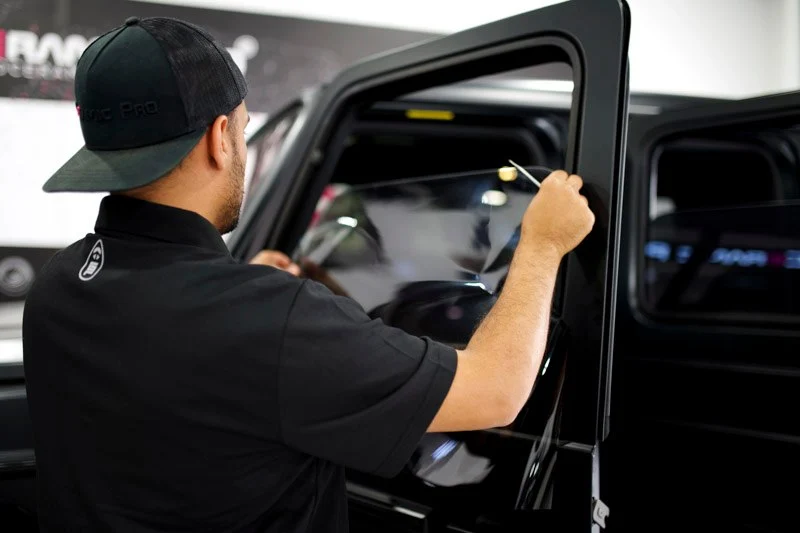
Window tinting in Elkhart gives your car style, blocks UV rays, and keeps the interior cooler during Indiana summers. But before you tint, you need to know the rules.
Indiana has specific tint laws that determine how dark your windows can be. Breaking these regulations means tickets, failed inspections, and potentially removing the tint you just paid for.
Let us walk you through exactly what’s legal so you stay compliant while getting the benefits you want.
Indiana Tint Law Basics
Indiana regulates window tint based on Visible Light Transmission (VLT) percentage. This measures how much light passes through your windows.
Lower VLT percentages mean a darker tint. A 20% tint is much darker than 50% tint because it only allows 20% of visible light through.
The state sets different limits for front and rear windows. And the rules differ between sedans and SUVs, which sometimes catches people off guard.
Understanding VLT percentages helps you communicate with tint shops and ensures you get legal shades that meet Indiana requirements.
Legal Tint Limits for Sedans
For passenger cars in Indiana, front side windows must allow at least 30% of light through. That’s your driver and passenger windows.
Rear side windows can be as dark as you want. There’s no VLT restriction on back seat windows for sedans.
Your rear windshield also has no darkness limit. You can go as dark as you prefer on the back glass.
But the front windshield can only have tint on the top 5 inches. That’s the AS-1 line marked on most windshields, and you can’t go below it.
Legal sedan tint in Indiana:
- Front side windows: 30% VLT minimum
- Rear side windows: Any darkness
- Rear windshield: Any darkness
- Front windshield: Top 5 inches only
Legal Tint Limits for SUVs and Vans
Multi-purpose vehicles and vans get more flexibility under Indiana law. Your front side windows still need a minimum of 30% VLT, the same as sedans.
But everything behind the driver is free. Rear side windows, rear windshield, and even rear quarter windows can be tinted as dark as you want.
This makes sense since SUVs and vans often carry passengers or cargo in back rather than requiring rear visibility for the driver.
The front windshield rule stays the same: tint only on the top 5 inches above the AS-1 line.
Reflective Tint Restrictions
Indiana prohibits metallic or mirrored tint that reflects light excessively. Your tint can’t have a mirror-like appearance that blinds other drivers.
Most quality automotive tints don’t create this issue. Standard dyed, carbon, and ceramic films naturally stay within legal reflectivity limits.
But cheap mirror tints or highly reflective films will get you pulled over. Officers can easily spot illegal reflective tint, especially in sunlight.
Stick with professional-grade automotive tint that meets legal compliance requirements. These products deliver heat rejection and UV protection without excessive reflection.
Medical Exemptions for Darker Tint
Indiana allows medical exemptions for drivers with light-sensitive conditions. Photosensitivity, lupus, and certain skin conditions qualify for darker automotive window tint than the standard limits allow.
You need documentation from a licensed physician stating your medical necessity for additional tint darkness. Keep this documentation in your vehicle at all times.
Medical exemptions let you go darker on front side windows that would otherwise violate the 30% rule. But you still can’t tint below the AS-1 line on your windshield.
Law enforcement can request your medical exemption paperwork during traffic stops. Having it readily available prevents complications and potential citations.
Enforcement and Penalties in Elkhart
Elkhart police enforce Indiana tint laws during routine traffic stops and vehicle inspections. Officers use tint meters to measure actual VLT percentages on questionable windows.
Illegal tint violations typically result in fix-it tickets. You’ll need to remove non-compliant tint and show proof of correction to avoid fines.
Repeat violations carry steeper penalties. And if you’re involved in an accident, illegal tint can complicate insurance claims and liability determinations.
Most Elkhart drivers avoid problems by choosing professional installation that guarantees legal compliance from the start.
Choosing Legal Tint Percentages
The 30% front window requirement gives you noticeable tint without going too dark. It blocks UV rays, reduces heat, and adds privacy while maintaining safe visibility.
Many Elkhart drivers choose 35% for front windows to stay comfortably above the legal limit with margin for error. Tint can sometimes measure slightly darker than advertised.
For rear windows on sedans, 20% or 5% tint is popular. These darker shades maximize privacy and heat rejection where Indiana law allows freedom.
Popular legal tint combinations:
- Conservative: 35% front, 20% rear
- Moderate: 30% front, 15% rear
- Maximum legal: 30% front, 5% rear
Quality Film Makes a Difference
Legal compliance isn’t just about darkness percentages. Film quality affects longevity, appearance, and whether your tint stays within legal limits over time.
Cheap tint fades and turns purple, potentially changing VLT measurements as it degrades. It also bubbles and peels, making your car look worse than if you had no tint at all.
Professional ceramic window tint maintains consistent VLT throughout its lifespan. It won’t fade, discolor, or shift outside legal parameters as it ages.
Quality films also include manufacturer warranties covering defects, bubbling, and discoloration. This protects your investment and ensures ongoing legal compliance.
Tint Installation Best Practices
Professional installation matters as much as film quality. Improper application creates bubbles, gaps, and uneven coverage, affecting both appearance and VLT measurements.
Experienced installers know Indiana regulations and ensure your tint meets legal requirements. They won’t apply illegal darkness levels that create future problems.
DIY tint kits rarely achieve professional results. Measuring and cutting accurately, avoiding contamination, and achieving bubble-free application requires practice and proper tools.
And here’s something people forget: professional shops typically guarantee their work. If issues develop, they’ll fix them. DIY mistakes mean buying new film and starting over.

FAQ
What's the darkest legal tint in Indiana?
For front side windows, 30% VLT is the minimum. Rear windows on sedans and everything behind the driver’s seat on SUVs can be any darkness.
Can I get pulled over for tint in Elkhart?
Yes, if officers suspect your car window tint violates Indiana law, they can stop you and measure VLT with a tint meter.
Do I need a tint sticker in Indiana?
No, Indiana doesn’t require certification stickers between the film and glass like some states do.
How dark is 30% tint?
It’s moderate darkness that provides noticeable privacy and heat reduction while maintaining good visibility for safe driving.
Get Legal Window Tint at Elite Auto Care
Ready for professional window tinting in Elkhart that meets Indiana legal requirements? Elite Auto Care specializes in compliant tint installation using premium films backed by lifetime warranties. Contact us today to schedule your appointment and enjoy a legal tint that lasts.