
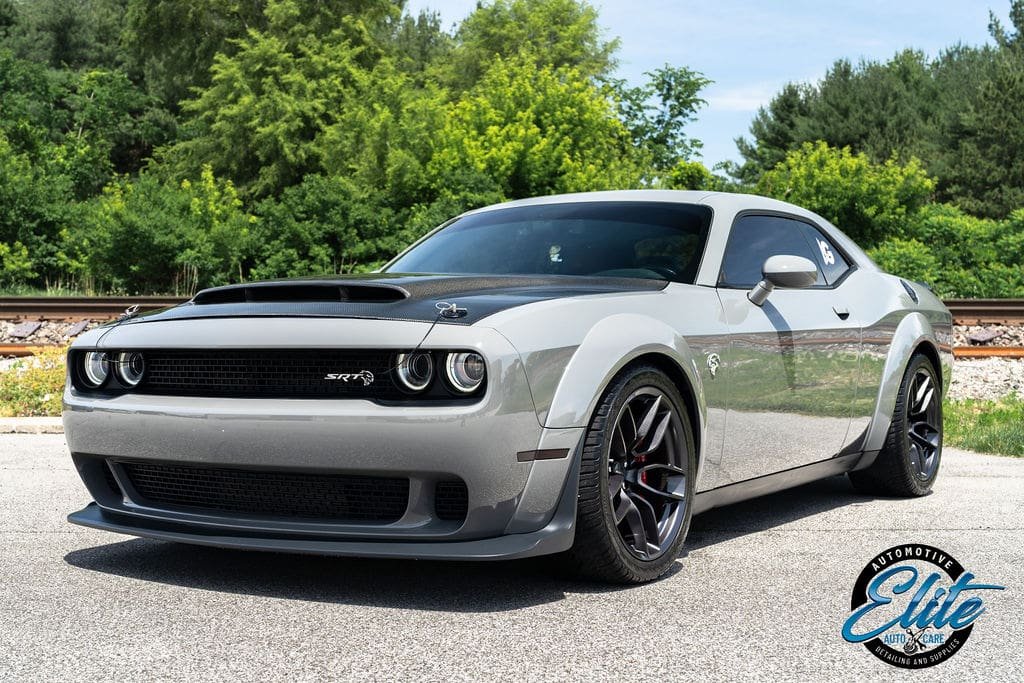
Paint Protection Film (PPF) has become popular among car owners who want to keep their vehicles looking fresh and protected from the elements. If you’re considering getting PPF for your car, one of the questions you probably have is: “How long will it actually last?” Let’s explore everything you need to know about PPF longevity. With quality installation and proper maintenance, PPF can deliver multi-year durability—retaining gloss, resisting yellowing, and shielding against chips and UV far longer than traditional waxes.
The Average Lifespan of PPF
Most quality paint protection films today last between 5 to 10 years. That’s a pretty big range, and there are good reasons for that. Some premium brands like Ceramic Pro offer warranties that back up these claims for 12 years.
But what makes the difference between a PPF that lasts 5 years and one that lasts 10? A lot of it comes down to how you treat your car and the conditions it faces daily.

Factors That Affect PPF Durability
Quality of the Film
Not all PPFs are created equal. Higher-quality films from reputable manufacturers tend to last longer than budget options. At Elite Auto Care, we’ve seen the difference firsthand between premium and economy films after a few years of wear.
The better films use advanced polymer technology that resists yellowing and maintains clarity over time. They also tend to have better self-healing properties, which means minor scratches disappear when exposed to heat.
Professional Installation
One thing people sometimes overlook is how important proper installation is. A poorly installed PPF can start peeling at the edges much sooner than it should. Those little imperfections where dust got trapped under the film during installation? They can turn into bigger problems down the road.
Professional installers (like our team at Elite Auto Care) have clean environments, the right tools, and the experience to ensure your PPF goes on perfectly. This makes a huge difference in how long it lasts.
Environmental Conditions
Where you live and park your car play a big role in PPF lifespan. Cars that spend most of their time in garages will see their PPF last longer than those parked outside facing harsh sunlight day after day.
UV exposure is one of the biggest enemies of PPF durability. The sun’s rays can eventually break down the film, causing it to yellow or become brittle. Living in areas with severe winters, lots of road salt, or high pollution can also shorten PPF life expectancy.
Maintenance Habits
How you care for your PPF makes a difference, too. Regular washing with pH-neutral car soap helps prevent contaminants from damaging the film. Avoiding automatic car washes with harsh brushes is also important – those things can scratch and wear down your PPF faster.
Some people think that once they get PPF, they never have to worry about their car’s appearance again. That’s not quite true. While PPF is pretty low maintenance, it’s not zero maintenance.
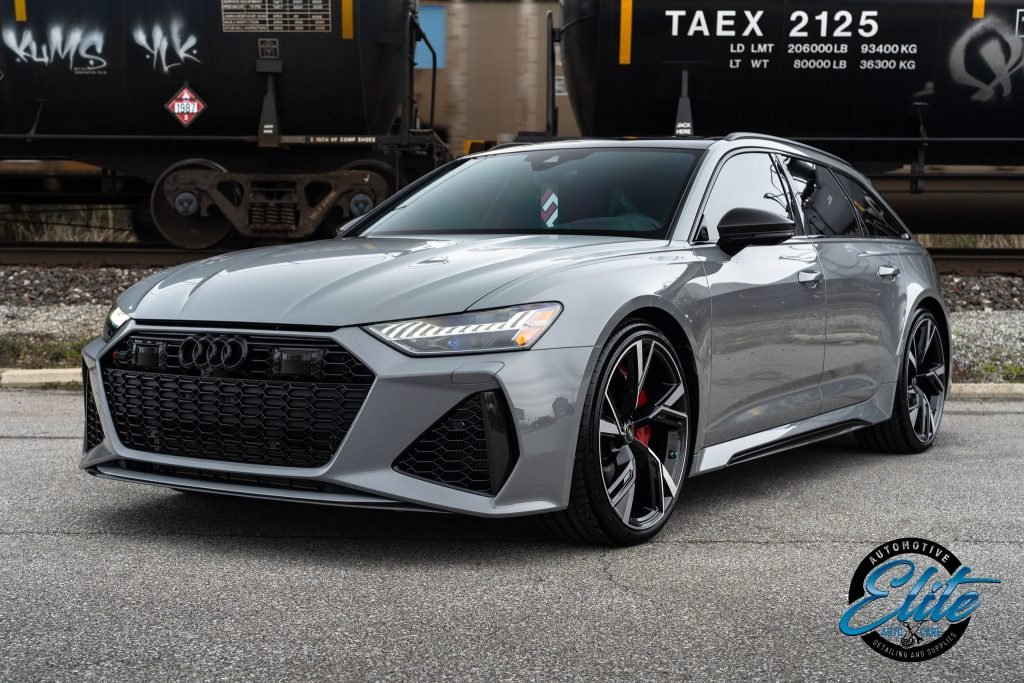
Signs Your PPF Needs Replacement
How do you know when it’s time to replace your PPF? Here are some telltale signs:
- Yellowing or discoloration
- Peeling edges
- Cracking or splitting
- Visible damage that doesn’t self-heal
- Loss of clarity or haziness
Once you start noticing these issues, it’s probably time to think about replacement. Pushing a failing PPF too long can sometimes make it harder to remove cleanly.
Extending the Life of Your PPF
Want to get the maximum lifespan from your investment? Here are some tips we give our customers at Elite Auto Care:
- Wash your car regularly but gently
- Apply a PPF-safe sealant every few months
- Park in the shade or garage when possible
- Remove tree sap, bug splatter, and bird droppings promptly
- Avoid high-pressure washers directed at the edges of the film
The Cost Factor: Is Longer-Lasting PPF Worth It?
Premium PPF might cost more upfront, but when you consider the longevity, it often works out to be a better value. A quality film that lasts 12 years costs less per year than a budget option that needs replacement after 5.
There’s also the convenience factor. Most people don’t want to take their cars out of commission for PPF installation more often than necessary.
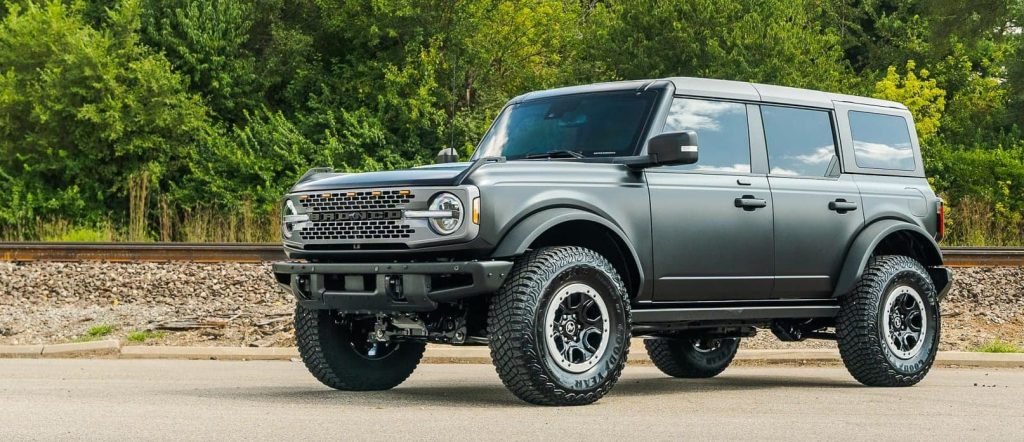
PPF vs Other Protection Options
When comparing PPF to other protection methods like ceramic coatings or regular waxing, PPF stands out for its longevity. A good ceramic coating might last 2-5 years with proper maintenance, while wax needs reapplication every few months.
The physical barrier PPF provides against rock chips and scratches is something liquid products simply can’t match, no matter how often you apply them.
Wrapping Up
professionals in favorable conditions with proper care tend toward the upper end of that range.
If you want to protect your vehicle’s paint for the long haul, PPF is one of the most durable options available. Remember that even the best PPF doesn’t last forever, and planning for eventual replacement is part of responsible vehicle care.
Do you have more questions about PPF durability or want to schedule a consultation? Stop by Elite Auto Care, and we’ll help you make the best choice for your specific situation and vehicle.