
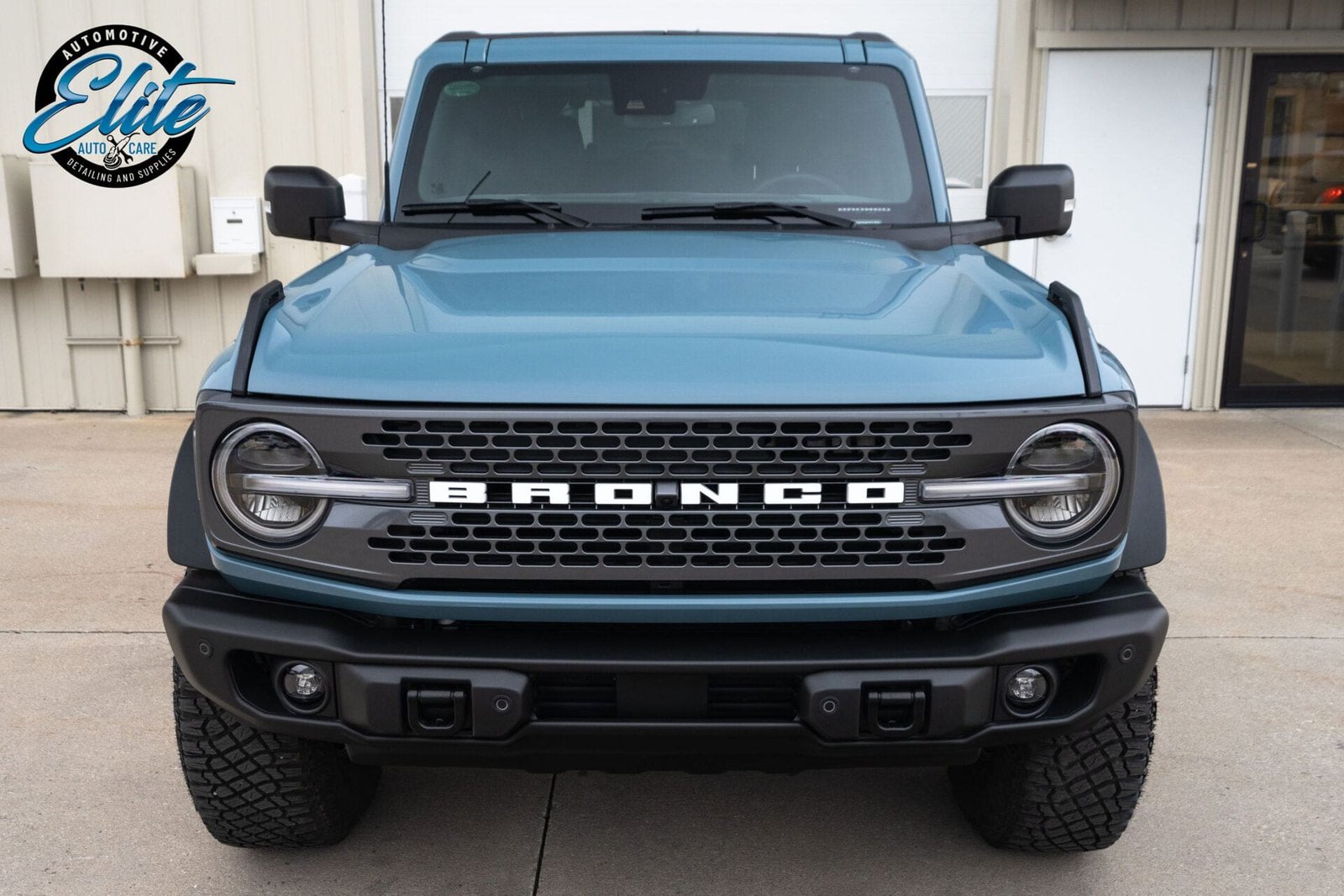
If you’ve ever driven through Warsaw, you’re aware that the roads can be rough on your car. Those potholes, construction zones, and winter salt treatments don’t just make for a bumpy ride; they also pose a safety risk. They’re slowly destroying your vehicle’s paint job.
But here’s the thing about paint protection film (PPF). It’s not cheap. And you might wonder if it’s worth the investment for driving in Warsaw. Given Warsaw’s salt, gravel, and chip-prone roads, PPF serves as a sacrificial barrier that preserves your factory finish and helps avoid costly touch-ups over time.
Let me break this down for you.
What Makes Warsaw Roads So Tough on Paint
Warsaw winters are no joke. The city uses road salt and chemical deicers from November through March. These chemicals adhere to your car and erode the clear coat. But that’s just the beginning.
Construction season brings its challenges. Loose gravel, flying debris, and heavy machinery create a perfect storm for paint damage. And those construction zones pop up everywhere during the summer months.
The spring thaw makes everything worse. Potholes open up overnight. Road crews spread fresh gravel. Your daily commute becomes an obstacle course of paint-damaging hazards.

The Real Cost of Paint Damage
Most people don’t realize how expensive paint repairs can get. A single deep scratch can cost alot to fix correctly. Stone chips add up fast. And if you let the damage sit too long, rust begins to form underneath.
We’ve seen cars lose thousands in resale value because of paint damage. The clear coat starts looking cloudy. The paint fades unevenly. Small chips turn into bigger problems.
Professional paint correction services charge minimally, depending on the extent of the damage. But that’s assuming the damage can be fixed. Sometimes you need a full repaint on affected panels.
How PPF Actually Works
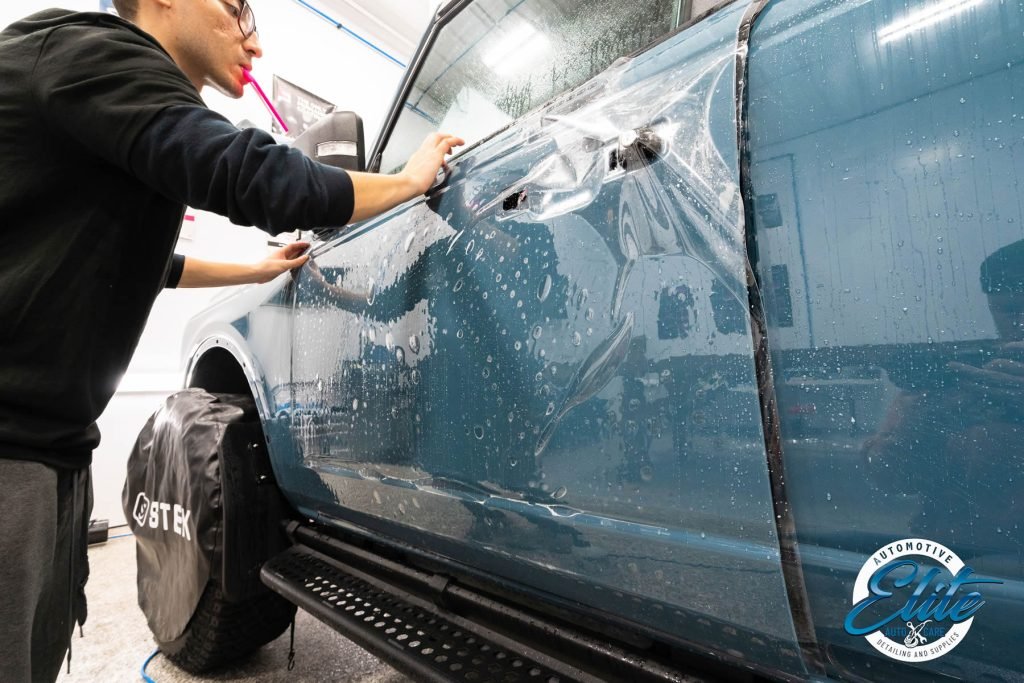
Paint protection film is a clear, flexible shield for your car’s paint. The film absorbs impacts from stones and debris. It also protects against chemical damage from road salt and bird droppings.
Modern PPF has self-healing properties. Minor scratches disappear when exposed to heat. The film is nearly invisible when installed properly. And it can last 10 years or more with proper care.
The film creates a barrier between your paint and the environment. UV rays, acid rain, tree sap, and road chemicals can’t reach the actual paint surface. This keeps your car looking newer for longer.
Where PPF Makes the Most Sense
You don’t need to wrap your entire car in PPF. That would cost a fortune. But certain areas take the most abuse on Warsaw roads.
The front bumper takes the brunt of everything first. Hood leading edges catch flying debris. Side mirrors take a beating from passing trucks. These are the high-impact zones where PPF pays for itself.
Many people opt for a partial front-end package. This covers the front bumper, hood, fenders, and mirror caps. It’s much more affordable than full-car coverage. And it protects the areas that matter most.
When PPF Doesn't Make Sense
Not every car needs paint protection film. If you’re driving an older vehicle with existing paint damage, PPF won’t provide much help. The film can’t fix problems that already exist.
Cars that stay garaged most of the time don’t need full protection either. But even weekend drivers should consider protecting high-impact areas.
If you plan to trade in your car within two years, the math might not work out. PPF is a longer-term investment.
Quality Matters More Than Price
Here’s where people make mistakes. They shop around for the cheapest PPF installation. A poorly installed system looks terrible and doesn’t protect adequately.
Look for installers with proper certifications. Ask to see examples of their work. Check reviews from other customers. A good installer will warranty their work for years.
Cheap film yellows over time. It peels at the edges. The adhesive fails. You end up spending more to fix a bad installation than you would have spent on quality work.
The Bottom Line
Warsaw roads are challenging on paint. That’s just reality. PPF can protect your investment and save money over time. But only if you do it right.
Focus on high-impact areas first. Choose quality installation over cheap prices. Also, consider your long-term vehicle ownership plans.
Your car spends every day fighting against Warsaw’s harsh conditions. PPF gives it the armor it needs to win that fight. The question isn’t whether you need protection; it’s whether you have it. It’s a matter of whether you want to pay for damage now or prevent it upfront.
Do you have further questions regarding PPF durability, or would you like to arrange a consultation? Visit Elite Auto Care, and our experts will help you determine the optimal choice for your individual needs and vehicle.